A New Joy and A New Challenge

On July 30th 2013, my son was born. I cannot believe how amazing my wife was through the process (Once again! Seriously, you amaze me). Now my son is home, healthy, and destroying sleeping patterns but that is to be expected. Newborns do that to their parents.

As you might expect, having a child changes a lot of things. It also causes parents to reflect on the direction of their life, finances, and the future of their family. I began to think things like; where do I want to live in five years? Am I satisfied with my career? Am I satisfied with how I parent, treat my wife, and write? I hope I can never say I have done enough and continue to dig deeper.
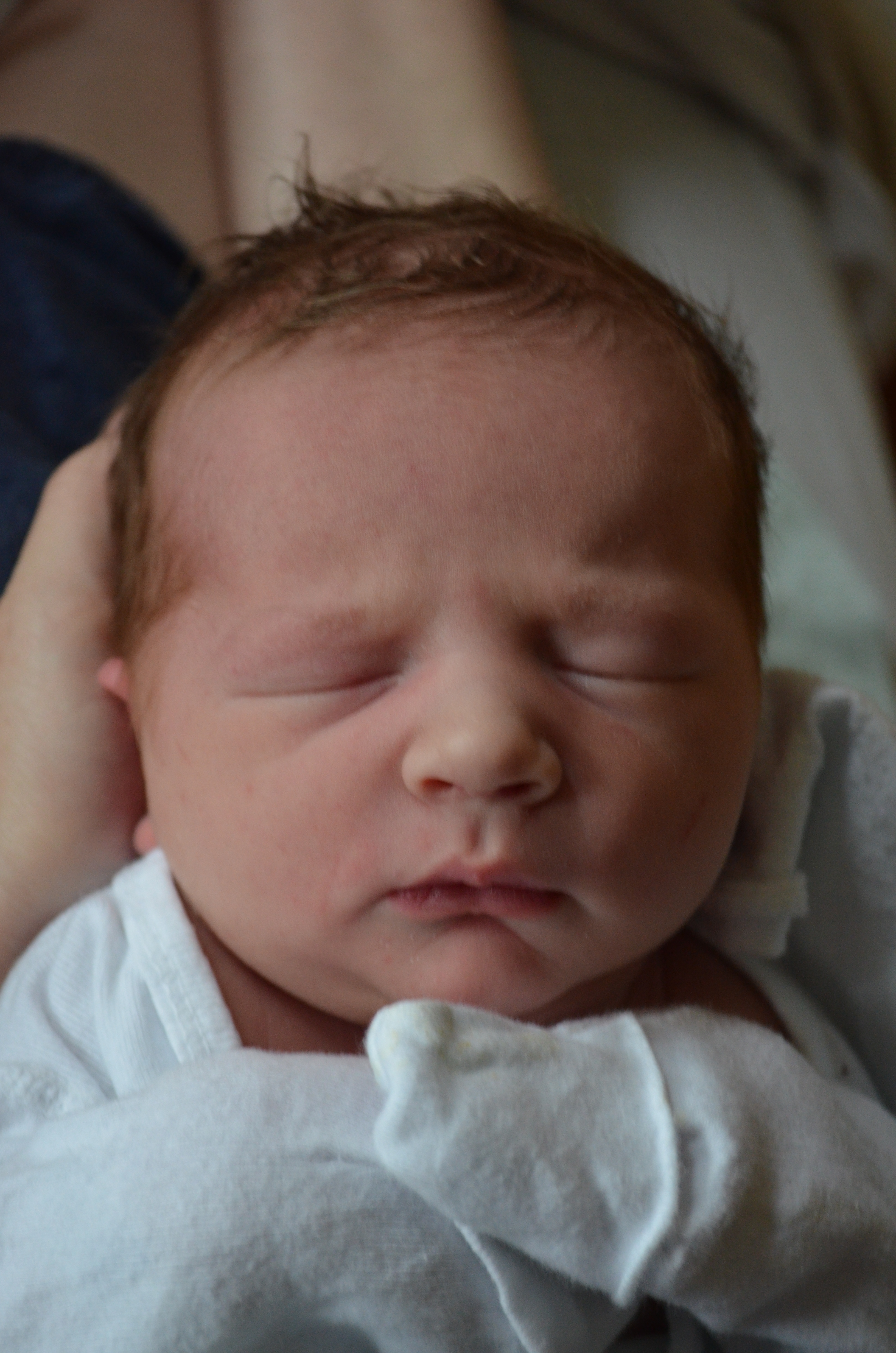
Cute, isn't he?
Cute, isn’t he?

As this is a blog about writing, I wish to speak to that today. When my first daughter was born nearly four years ago I was blindsided by the joy of parenting. I barely wrote for recreation, but I did keep a journal for her every day for the first year of her life. I did not get back to writing for about ten months. For my second daughter I wrote in a journal as well, and got back to it after about six months. Now, for the third child, I want to make a change. I want to keep at it. No interruptions.

The reason for this declaration is not because my son is less important. It is not because I wish to put my own dreams in front of my children and my wife. The reason is that change will always come in life. Roadblocks, new joys, and redirections will come in various forms. That is something I cannot change. What I can strive for is to continue to write despite what life may bring.

How about you?

What excuse do you have in your pocket to pull out and show your novel or writing friends?

What is stopping you today? Got that in your mind? Good. Now, how can you get around it? How can you create space and time to do what you love? Let me know in the comments section below.

Write 500 words today.

Cheers,

Bob

Begin Your Writing Career Today

I work in sales. When a month is going slow and my confidence is waning the normal thing to do is to look for “low hanging fruit”.

The term low hanging fruit is the simple act of looking for a customer who needs to purchase within the next week or two. This is not a ploy to harass anyone but a redirection to give you a boost. In another sales-ish term a “win-win.” You get the confidence that comes with making a sale and you provide a service to someone who needs it anyway.

Why do I mention this? Because confidence is essential to the writer and it does not always begin with grandiose things. It starts with a first step.

I remember my English teaching in high school sharing a story about spilled dog food.

photo credit: petfoodz.net

The way she described the event and aftermath was a war zone and enough dog pellets to easily fill an Olympic sized swimming pool. It would take a lot of work and time to clean up. So she started piece by piece, not worrying about the whole bag, but only the next piece to get in rhythm with the task. Soon, it was done.

Any discipline requires this.
Take writing for instance.

If you want to be published and have yet to do so, or simply want to build your credentials as a freelance writer, I suggest starting somewhere small. Begin with a short story or an article. I started with a novel and for several years all I had was a goopy mess of words. It has since solidified but the task took much longer than I anticipated and I struggled with confidence throughout.

Recently I read an article in Writer’s Digest that instructed the wannabe writer to write a list of people in the writing world they know and periodicals to which they could possibly submit. In a matter of minutes I realized I knew the main writer for a local paper, the editor of a journal, and I knew a lot of people who blogged or had websites. It is important to have publishing credentials if you are shopping a novel. So I fired off some emails.

In a day or two I had responses from several of these places asking for submissions. Shortly thereafter I published an article in a journal and a website.

So, why do I mention this? What is the purpose of this post?

The message is to start somewhere. A novel might seem overwhelming to some of you or you might need to become the master of something small to gain experience and confidence to move to the next big thing.

Sit down and write a list of who you know. Send out emails and begin. Writing credentials are essential to anyone who wants to have a solid writing career.

Start today.
It could mean you are published tomorrow.

Cheers,
Bob

On Sacrificing Sleep

I want to be good at a lot of things. I want to be a good husband. I want to be a good father.  I want to be a good friend, worker, and man. I also want to be a good writer.

These areas of my life pull me back and forth like a current and are simultaneously in conflict with each other. To be a good husband I have to let someone else be a father to my kids for a few hours while I go out and romance my wife. If I want to be a good worker I have to leave my wife to go to work and sometimes stay at the office a little later than planned. To be a good man I have to be sane and with two kids and one due any day – it can be a struggle.

When writing invaded my life, I told my wife I would never allow it to become something that would take away time from her or my kids. I am not going to come home and then leave for six hours to get a chapter out.

I began to realize that something had to go.

That something was sleep.

Time
Time

Sleep and I have had an interesting relationship over the last few years. Yes, I realize that you need it. I acknowledge it as I slam another cup of coffee. I toy with it and lay down for twenty minutes in the middle of the day. But, our relationship has been rocky at best and though I crave it nearly every second of the day I do whatever I can to fight it off.

Why you ask? Why do I torture myself like this? I already said I wanted to be a writer didn’t I?

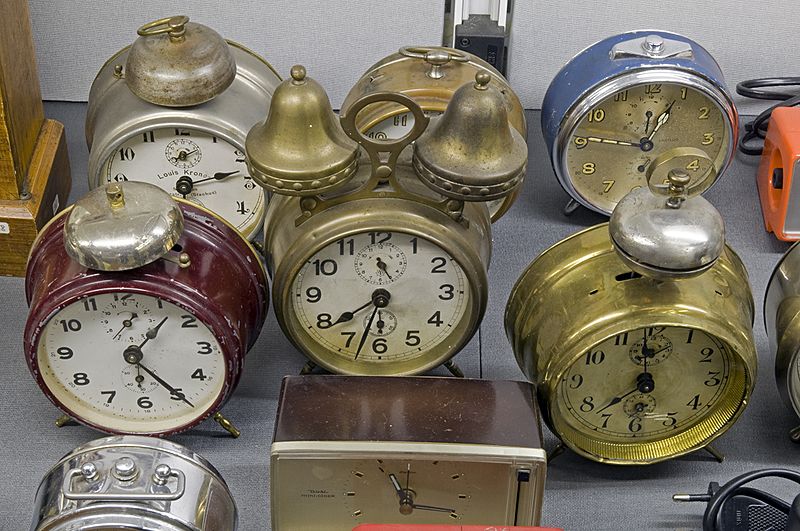
As my family grew I began to understand that twenty four hours is not actually a lot of time. In fact I think it is a joke sometimes. Really? It’s 10:30! Come on clock, you’re kidding right? But alas, no, it is not.

Great writing takes time. I once evaluated how many hours I wrote one week and it was not enough to fulfill my writing aspirations. I knew I needed a schedule. Using an excel spreadsheet I evaluated how I spent every single hour each day. When I was finished there was no time left, other than sleep. That is all I have to sacrifice.

So, I plan to get up at 5am every Monday, Wednesday, and Friday. This will be tough especially when a newborn enters our family in the next few days.

I want to be a great writer. I want to produce short stories, novels, blogs, and articles. These all take time. By sacrificing sleep I might have enough time to accomplish it all. After all, if this is the life I want I should be living it now. Its time I started to act like it.

Do you struggle to find time to write? What sacrifices have you made or are you willing to make?

Cheers,

Bob


Adventures with (and lessons from) Ernest Hemingway

Think back to the first time you read a novel and it opened a new world. You finished the last page, sat back, and soaked it all in, knowing you read something grand.

Now imagine you jump on a train and travel across a continent to meet this literary giant and end up being their apprentice on a sailing vessel for a year. You have great discussions late into the night, have writing time (after all there is no place to go!), and you get a really really great tan.

Sounds like something from a movie, right? Well this happened to a man named Arnold SailingSamuelson in the spring of 1934. He met and was an apprentice to none other than Ernest Hemingway.

It might shock some of you, though not all, that I never liked Hemingway. His stripped down brilliance and clarity of prose is obvious to anyone trained in literature but, I think most of his stories are depressive like Burmese Days by George Orwell. However, I have begun to enjoy his stories more and more. Okay, let’s be honest. I was finally won over by Corey Stoll’s brilliant rendition of him in Midnight in Paris.

I wanted to share this article with my writer friends and thought a post was the best way to do that.

There were two things I took away from this article that I believe any writer should consider. I implore you to read the whole article by clicking HERE and post your thoughts below.

Lesson’s from Hemingway

  1. Never write too much in one sitting. Essentially, never empty yourself of everything you have. This way you will always be fresh and so will your book.
  2. Read good writers that are dead. Why? Because though they are dust their books have withstood the crashing waves of contemporary literature. Hemingway compiled a list of these books, which I have included below.
    •  “The Blue Hotel” by Stephen Crane
    • “The Open Boat” by Stephen Crane
    • Madame Bovary by Gustave Flaubert
    • Dubliners by James Joyce
    • The Red and the Black by Stendhal
    • Of Human Bondage by Somerset Maugham
    • Anna Karenina by Leo Tolstoy
    • War and Peace by Leo Tolstoy
    • Buddenbrooks by Thomas Mann
    • Hail and Farewell by George Moore
    • The Brothers Karamazov by Fyodor Dostoyevsky
    • The Oxford Book of English Verse
    • The Enormous Room by E.E. Cummings
    • Wuthering Heights by Emily Bronte
    • Far Away and Long Ago by W.H. Hudson
    • The American by Henry James

Find some time to write today.

Cheers,

Bob

When The Writer Battles Self-Doubt

Bravery.

If there is anything a writer (or any artist) needs, it is that. After all, you are placing a short story, essay, painting, poem or some other original work out in the open for someone to love or scrutinize.

Though I have written for years and published a little, I still wrestle with small bouts of insecurity. The shadow comes when I blog, tell people I am a writer or submit the latest short story. I think I am not good enough, original enough, have not lived and experienced enough to put something amazing or meaningful together.

Over the last few months I created a writing space. I built bookshelves, put pictures up of my wife and kids, in order to have a place to write and keep my writer-ish things (like a sailboat, family heirlooms, hockey pucks and, most importantly, my leather bound journals).

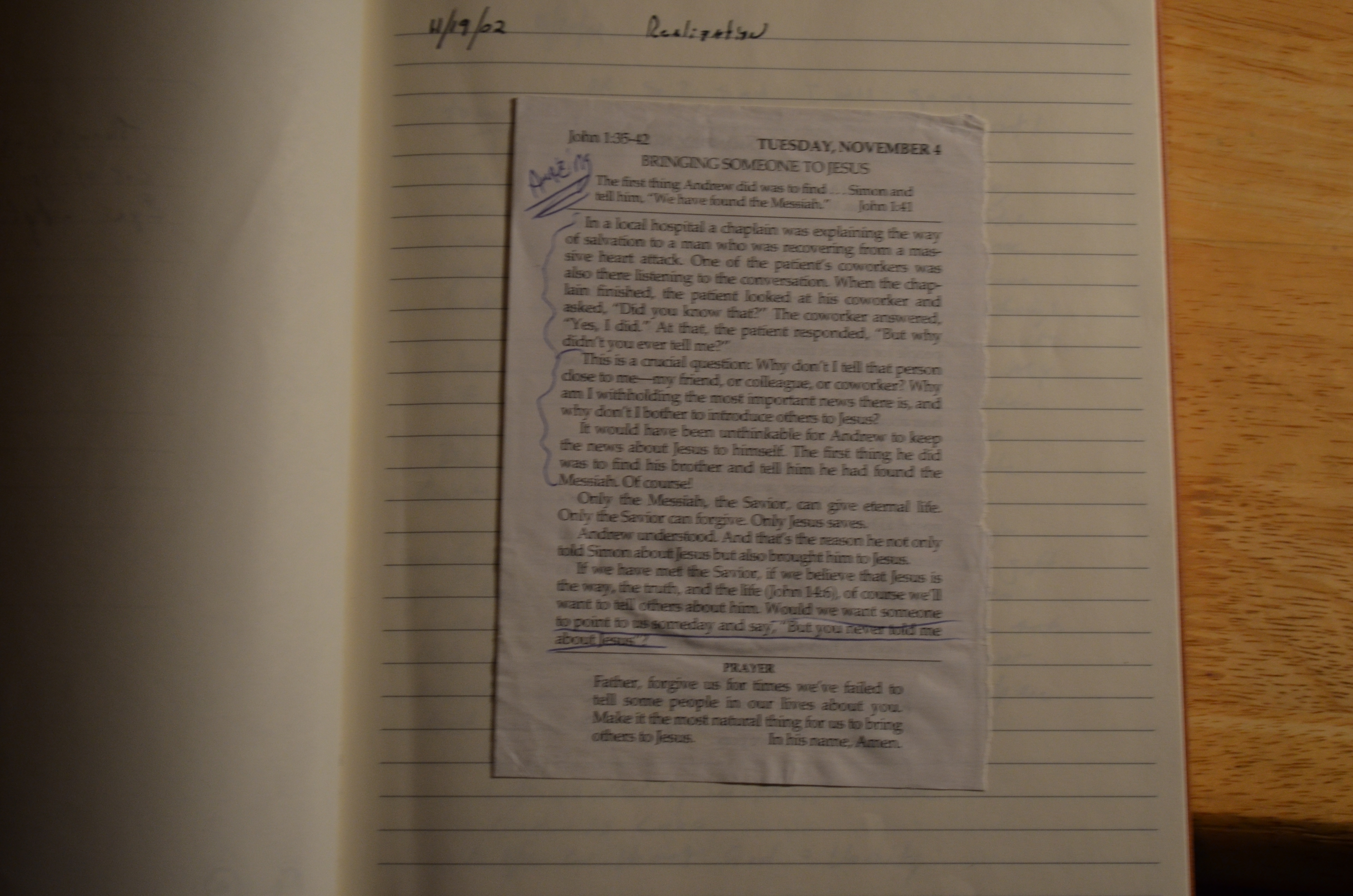
Every once in a while I crack open a journal entry or two to review an important date of my life. The entry at 5am before I was married to my beautiful bride. The birth of my first daughter. The day I graduated college. The day my second daughter was born. I reflect and remember how much I have grown both as a writer and a person. Recently, I read my very first journal entry and smiled.

This “entry” consisted of a date, title, and a scrap from a devotional book. That’s right. My first attempt at a journal entry was also my first attempt at plagiarism.

Be what it is, I learned something. Something significant and comforting that I consider each time I embark on a new project.

I have come a long way.DSC_0073

I can see progress and joy in my entries and short stories. I see the love of something good and, even in the rarest of occasions, profound.

There are many things we build on. But they all come from the first word, the first step of trying something new. Maybe it works. Maybe it doesn’t.

That is not the point. The point is the step.

After a while you can see just how far you’ve come.

If there is any doubt in you writer – think about the piece before. Think about how far you’ve come. I did and find I am a lot further down the road than I could ever have expected.

And it gives me confidence to keep going.

Keep (or start) Writing.

Cheers,

Bob

Turning 30

Yesterday I exited my twenties. I did not have a panic attack but I cannot say that it turning 30did not affect me. Because it did.

I woke up wide awake at 5:30am, as summer comes this seems to be more and more of a natural occurrence, and after read a few chapters of my Bible, I wrote in my journal and spent some time in reflective silence.

I thought about what I had wanted to accomplish by this point in my life and how I felt about what transpired thus far. I have a family and a house, a nice job and wonderful friends, and the best wife in the world. My life is rich and full and I could not be happier with it.

Whenever I think about my life goals, I tend to think about time and how I spend it. Where do the hours of my days go? Work? Sleep? Wife and kids? Do I think about myself all of the time? Or am I considering other people?

Time and how I spend time; that is what occupies my mind.

Dietrich Bonheoffer a pastor in Germany who was executed by the Nazis two days before his prison camp was liberated wrote in the book, Letters and Papers from Prison:

“Time is the most valuable thing that we have, because it is the most irrevocable.”

This causes me to consider things that distract me from what I want. Or that annoying thing that bothers me that is not really a bit deal. There are so many things that make me petty or selfish. I want them out of my life.

I hope that as I advance through my thirties that I will find myself on the couch in front of the television a whole lot less. I hope I play outside with my children. I hope to plant gardens and write novels. I hope to invite friends over for meals and share life with them. Life must be lived and as I stand on the precipice of the thirty to forty year divide, I know adventure and a full life awaits, if only I live it.

Writer, turn off the television. Be with your family and friends, then shrug off sleep and finish your work.

Cheers,

Bob

Zen in the Art of Blogging

Zen in the art of writing
Zen in the Art of Writing

I selected this title because I’ve just finished Zen in the Art of Writing by Ray Bradbury which is a collection of his essays on writing and a few short stories. I don’t know much about Zen, and probably never will, but this book is essential for any writer who is aching for inspiration. If you are caught in the writing Sahara and need an oasis that will fill your creative well and propel you back to the page with a clear head and impassioned desire to write, this is your cool drink of water.

The articles collected in Zen are full of words like: Gust, Zest, and Love. You can almost hear Mr. Bradbury punching the keys of his typewriter as his articles form on the page. There are people you’ve met in life that were full of, well, life. They glow and pour themselves in everything they do. It is clear that this man loved writing and loved life. Writing was not work for him anymore. It was rhythm, beat, song.

The last essay, Zen in the Art of Writing, highlights three words/phrases. Work, Relaxation, and Don’t Think.

Work – Mr Bradbury admits, as do we, that writing is hard work. You not only need to learn the rules of grammar, but those of pacing and timing, plot and character construction, and many more mechanics of a good story. However, there comes a time where you are familiar with your surroundings, like a year or two after starting a new job, and your daily activities become less thought driven. They are natural, almost comfortable. You don’t have to look at the keys any more or learn the “in’s and out’s” of the basics.

Relaxation – It is at this point where relaxation comes in. You have a construct to work inside of and can easily sit down and run through five hundred words that are moderately well written. You’ve paddled out to sea and can now ride the wave inland. You don’t have to think about pacing or what drives your character because it is already there in your mind. But there is more.

Don’t Think – More is truth. We’ve all had the unfortunate experience of being on the receiving end of someone’s unapologetic thoughts. However, this is where good writing lives. You are done paddling out to sea. You are riding the wave. You can now show off your moves. At this point your characters may pull you along like a five year-old at an Easter Egg hunt showing you where all the good stuff is. You don’t have to look for the eggs anymore. Soon enough, you have three short stories and the beginning of a novel you can be proud of.

Courtesy Villagevoice
– Courtesy Wiki Commons

Now, by no means is writing a simple step program. Mr. Bradbury admits that if you write one short story a week, having 52 completed in a year, maybe there is only one good one. But this is the work part. Soon enough you figure out how to write a story and intrigue an audience by your tale.

So writer, stop hoping for that magical time. Stop trying to be perfect or imitate. I ask you, like Mr. Bradbury, to roll up your sleeves and see what happens. It’s time to renew the commitment to your work, to hole yourself up and get a short story completed and submitted. By writing over and over again we can indeed come to something grand.

Let’s start that process today.

Cheers,

Bob

Busy Writer? 10 Ways to Squeeze in Writing Time.

Before kids, I wrote every Saturday morning from 5:30am until 9am. It was beautiful. I had enough time to finish a chapter, or, well, enough time to finish anything really.

That time is gone but my kids are a blessing. I’d never trade one for the other. And my life is so much fuller now, allowing me to draw from these deeper experiences and use them as fuel to write better novels and short stories.

Below is a list of several ways to keep your writing going when you schedule gets busy. I’ve used them all and I hope you find this list helpful.

  1. During Lunch Break – You can write on your iphone or android phone. If a library is close by head there or simply bring a pad of paper and write by hand.
  2. While in the Waiting Room – If you have meetings with a client or have a dentist or doctor’s appointment be sure to bring something to write with.
  3. While Preparing Dinner – There are times when I might have to wait for the water to boil, the sauce to simmer, and the dishes are done. This means I need to be present but not actively preparing a meal. Have your notebook ready for these spare minutes.
  4. Right Before Bed – Instead of reading 20 pages of a book, write one or two  pages of your own.
  5. Early Early Morning – Like 4:30. Yes I know. Yikes. But you love this remember?
  6. During Nap Time – If you are a stay at home dad/mom, and still have this time, use it while you can.
  7. During Breakfast – Some people read the newspaper during breakfast or read a novel, you can work on yours.
  8. As the Kids Play – This sounds like terrible parenting, but our kids do need to learn to live without us hovering over them, right? So, if they are playing quietly, get a few sentences down during the peace before rushing to the housecleaning, work projects, etc..
  9. Be there 15-20 Minutes Early – Wherever there may be: grocery store, work, meeting, etc.. This is different than the waiting room tip as you have created this space and are not waiting on someone else. Imagine using them both together. Is that 40-50 minutes??
  10. In Between Commercials – If you wind down by watching television try to get a few paragraphs in the 17 minutes of commercials during that hour long show.

These are not fool proof or the only way to do it, but I hope you found them helpful or at least made you think of how you can use those lost minutes to work on your novel.

Do you have any other suggestions? Please post them in the comment section below.

Cheers,

Bob

Get Published In A Flash

If you are like me time is limited. Okay, we all have 24 hours in a day but I am specifically speaking to those with the magic formula for chaos – children, a full time job, and the dream of publishing a novel. So how does one do it all? How does a writer hone their craft and balance all the joys and thrills of a busy life?

This is where I introduce you to my friend and fellow writer Josh Mosey and his diabolical schemes er, flash fiction.

Josh introduced me to flash fiction about a year ago. When I heard about it I nearly laughed. Short stories in six words? Hilarious. However, he introduced me to a six word story that has been attributed to Hemingway –

For Sale: Baby Shoes, Never Worn.

Think about that. A very powerful six words.

Flash fiction ranges from 6-1000 words (about two pages). From our friends at Wikipedia it is defined as:

A style of fictional literature or fiction of extreme brevity.[1] There is no widely accepted definition of the length of the category. Some self-described markets for flash fiction impose caps as low as three hundred words, while others consider stories as long as a thousand words to be flash fiction.

 So why spend time on condensed stories if you are an aspiring novelist? Glad you asked.

In honor of flash fiction I provide two short answers:

  1. You will learn to choose words wisely.
  2. You can make money at it. (view this link to websites actively looking for flash fiction)

If you’d like to hear more about this from the expert, see Josh’s video below from our writers conference a few months ago:

 http://youtu.be/X08HicQmPtw

In the meantime, work hard on your novel and as it gets dull or you get stuck, maybe take a day and try some flash fiction and submit it to one of the websites in the link above.

Cheers,

Bob

Inspiration 1000 Years in the Making

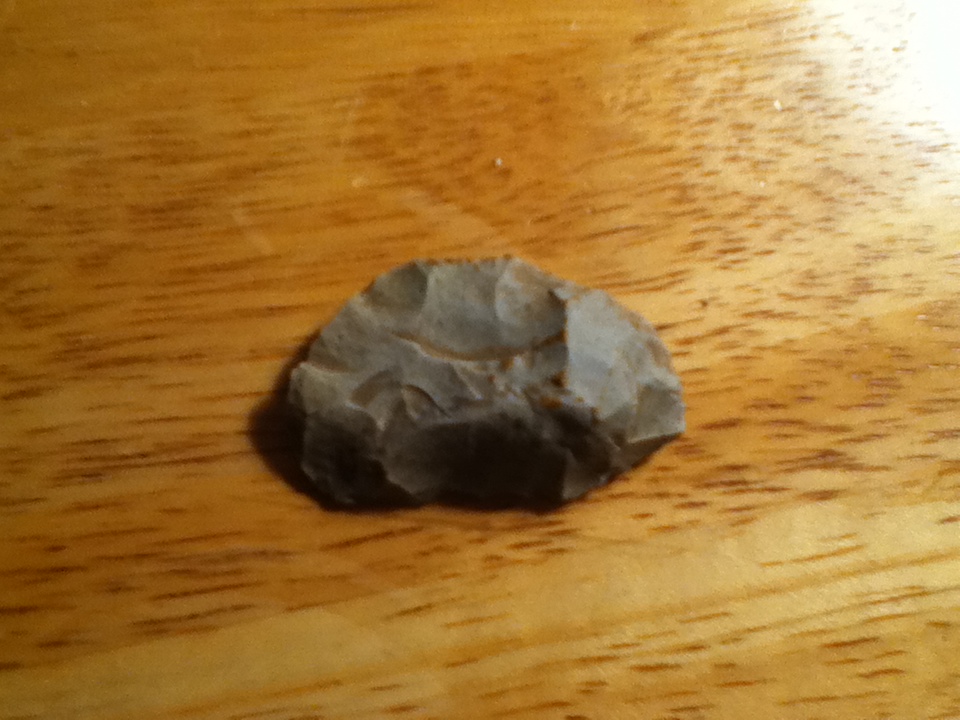
Stone Knife
Stone Knife

Stephen King takes walks.
CS Lewis took walks.

Walking holds a special place for writers. Perhaps it’s searching for something other than normal or maybe it’s the fresh air that comes with it. But the fact remains that walking or the experiences that happen during a walk, has enchanted for centuries.

A few months ago I went for a walk and found inspiration.

It was cold at first, the wind attacking from the southeast bringing a biting chill that my clothes hardly withstood. I was in a field walking with my dad and brother in between furrows of newly tilled earth. We trained our eyes on the ground and said little. You see, I come from a family of hunters. But that day we were not looking for game. We were searching for history.

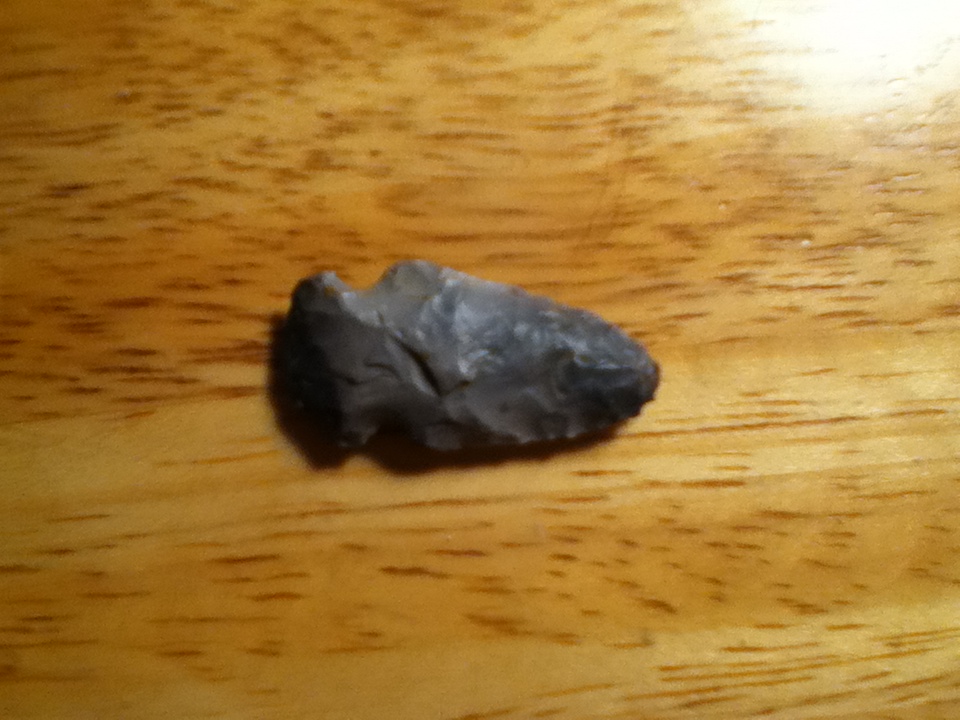
“Here are some examples”, my brother said holding up a case of ancient Native American artifacts. There were sacred rocks and arrowheads, stone knifes, and a gamut of other tools. I stared at them excited to get my hands dirty and see what we might find. I knew that we might not find anything at all, but I love the idea of pulling something from the earth that has been there for centuries.

We plodded along for a half hour while bending over to inspect any stone that resembled an arrowhead or tool.

I bent down and pulled a rock from the soil and noticed something. It appeared to have a serrated edge. I brought it to my brother. “That’s a knife probably used for taking the scales off of fish,” he confirmed.

My mind went wild. I swam in and played hockey on the pond nearby.
It was incredible to think Native Americans once fished there.

By the end of the search I held and arrowhead and a knife and a newfound love for wandering in fields. Oh, and a whole bunch of new short stories.

I hope that whatever you do today, be it the same old thing or something new, that you find inspiration to get back to the page.

Stone Arrowhead
My Findings

Cheers,

Bob